
Vagabond is a legendary historical manga that blends intense samurai action with deep philosophical storytelling. The series follows the transformative journey of a young warrior striving to discover the true meaning of strength and purpose. Known for its breathtaking hand-drawn artwork and emotionally rich narrative, it presents battles that are as psychological as they are physical. Its exploration of discipline, identity, and personal growth has made it a timeless masterpiece admired by readers worldwide.
Introduction to Vagabond
Among historical manga masterpieces, Vagabond stands as a timeless work of art that blends philosophical depth with breathtaking visual storytelling. Created by legendary manga artist Takehiko Inoue, the series reimagines the life of Japan’s most famous swordsman through a deeply human and introspective lens. Rather than presenting a simple tale of combat and heroism, Vagabond explores themes of self-discovery, purpose, discipline, and the meaning of true strength.
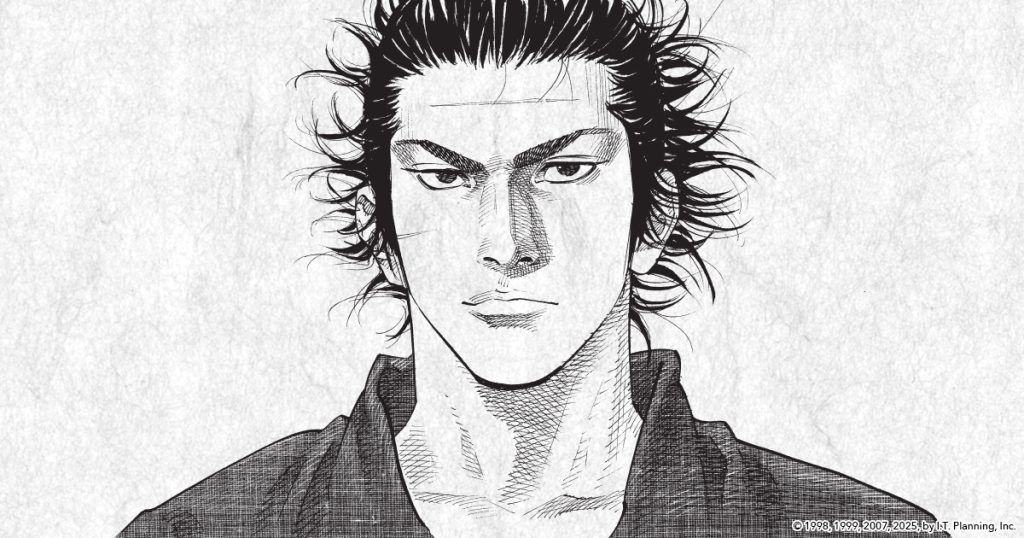
Inspired by the historical novel Musashi by Eiji Yoshikawa, the manga follows the journey of Shinmen Takezō, a wild and reckless young warrior who later becomes the legendary samurai Miyamoto Musashi. His path is not just one of mastering swordsmanship but of confronting inner conflict, loneliness, and the pursuit of enlightenment.
Even in 2026, despite its long hiatus, Vagabond remains one of the most respected and influential seinen manga ever created.
Storyline and Philosophical Depth
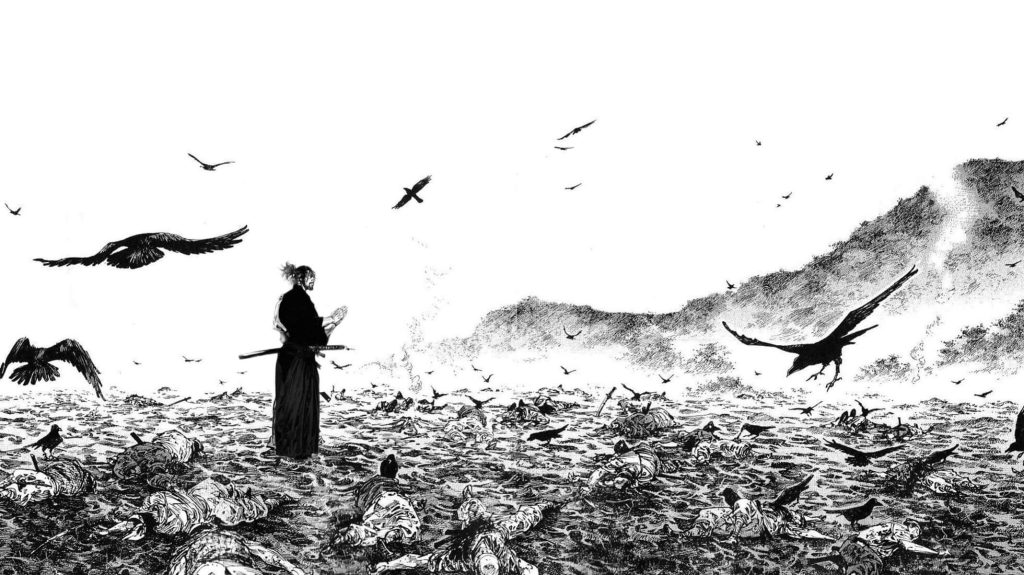
At its core, Vagabond is a story about transformation. After surviving the brutal Battle of Sekigahara, Takezō is branded a fugitive and forced to wander Japan as an outlaw. Through hardship, defeat, and isolation, he gradually sheds his violent impulsiveness and begins seeking a deeper understanding of life and strength.
Unlike typical action-driven samurai tales, the narrative focuses heavily on internal struggles rather than external conflicts. Musashi’s journey is filled with moments of doubt, reflection, and emotional vulnerability. Each duel is not simply a fight for survival but a philosophical confrontation where personal beliefs and identity are tested.
The story also explores contrasting perspectives on strength. While Musashi pursues invincibility through relentless combat, other characters challenge his worldview. Rivals such as Sasaki Kojirō represent alternative paths to mastery — ones driven by natural talent, serenity, and artistic expression rather than raw aggression.
Nature plays a symbolic role throughout the series. Quiet landscapes, changing seasons, and rural settings provide moments of stillness that mirror Musashi’s inner search for peace. These reflective pauses create a powerful contrast to the intensity of sword fights, emphasizing that true growth often happens in silence.
The manga’s pacing allows readers to deeply connect with characters’ psychological journeys. Instead of rushing from battle to battle, Vagabond invites readers to contemplate fear, ambition, ego, and spiritual awakening alongside its protagonist.
Artistic Mastery and Cultural Legacy in 2026
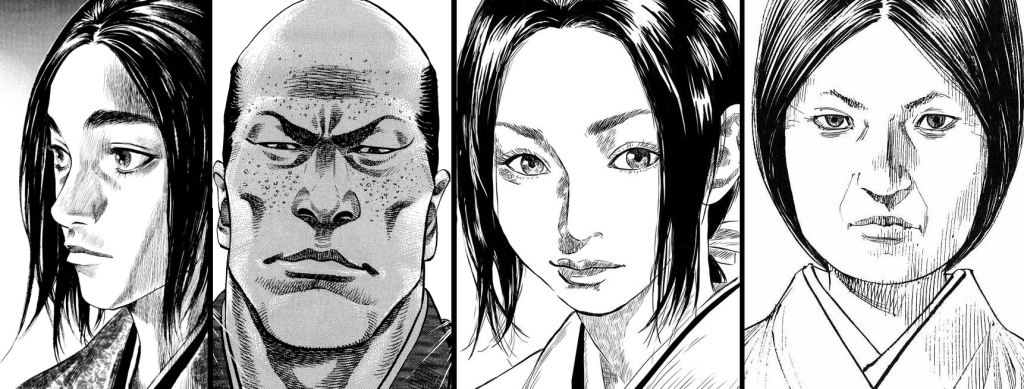
One of the most extraordinary aspects of Vagabond is its visual artistry. Takehiko Inoue’s hand-drawn illustrations are widely regarded as some of the most detailed and expressive in manga history. Each panel resembles a traditional ink painting, using brush-like strokes and intricate shading to create dramatic depth and realism.
Facial expressions convey complex emotions without dialogue, allowing silence to speak as loudly as words. Action scenes are fluid and dynamic, yet never exaggerated — grounded in realistic movement and tension. The balance between motion and stillness enhances the emotional weight of every confrontation.
The artistic evolution throughout the series reflects Inoue’s dedication to craftsmanship. Early volumes feature sharper, more conventional styles, while later chapters embrace softer, more painterly techniques that emphasize atmosphere and introspection.
By 2026, Vagabond continues to influence both manga creators and global comic artists. Its blend of philosophical storytelling and fine-art aesthetics elevated manga into a form often compared to classical literature and traditional painting.
Despite being on hiatus for years, the series maintains a powerful legacy. New readers constantly discover it through digital platforms, collector’s editions, and online discussions praising its narrative maturity. Fans frequently analyze its themes of Buddhism, Zen philosophy, and the psychology of warriors.
The story’s exploration of personal growth resonates beyond historical fiction. Modern audiences relate to Musashi’s struggles with identity, purpose, and self-doubt — universal challenges that transcend time and culture.
Vagabond also stands as a rare example of a manga where action serves character development rather than spectacle. Every duel reveals emotional layers, making conflicts feel meaningful rather than merely entertaining.
Final Thoughts
Vagabond is far more than a samurai manga; it is a profound meditation on human potential, discipline, and the lifelong pursuit of understanding oneself. Through its philosophical narrative and breathtaking artwork, the series transforms a historical figure into a symbol of personal evolution.
As its influence continues to endure in 2026, Vagabond remains a landmark achievement in graphic storytelling. For readers seeking a mature, reflective, and visually stunning journey, it offers an unforgettable experience that transcends genre conventions and speaks to the spirit of self-discovery.
Looking for even more unique and high-quality items inspired by this legendary samurai journey? Visit 👉 vagabondmerchandise.com — the perfect destination to find exclusive Vagabond merchandise every fan will appreciate.
